

Undisclosed Structural Issues: The “Material Defect” Standard
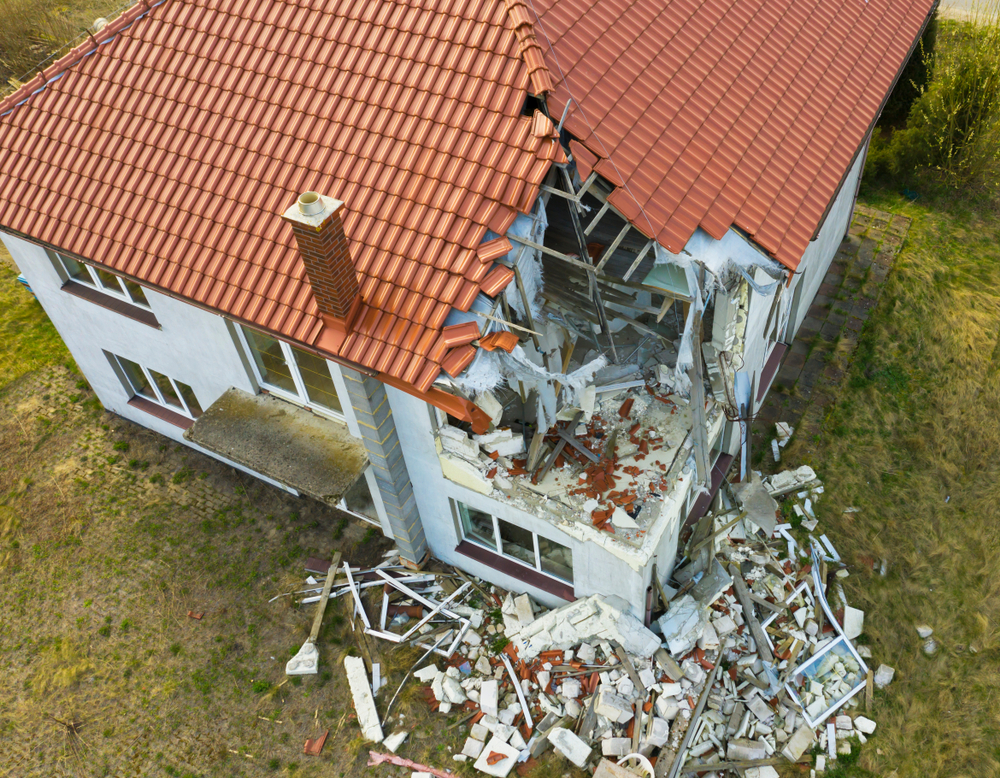
Under Florida’s material defect standard, structural problems become legally significant when they affect a home’s value, safety, financing, or resaleability. Florida common law requires residential sellers to disclose known material defects that are not readily observable.
When structural damage goes undisclosed, the buyer absorbs repair costs and value losses that the seller knew about. The legal question centers on whether the defect was serious enough to qualify as “material” and whether the seller had knowledge before closing.
When Does a Structural Problem Become a Material Defect?
Serious foundation cracks, structural movement, and undisclosed sinkhole activity often qualify as material defects under Florida real estate law. A defect generally becomes “material” when it affects the home’s value, safety, insurability, or resaleability. Sellers who know about these conditions have a legal duty to disclose them before closing.
Key Takeaways
- A defect becomes “material” under Florida law when it meaningfully affects a property’s value, structural integrity, or desirability to buyers.
- Structural problems often carry financial consequences beyond repair costs, including diminished property value and reduced resaleability.
- Florida sellers must disclose known material defects that are not readily observable, and structural foundation issues frequently meet that threshold.
What Counts as a Material Defect Under Florida Real Estate Law?
A material defect is a condition serious enough to affect a property’s value or a buyer’s decision to purchase. Small cosmetic flaws rarely meet this standard. Structural problems that compromise safety or reduce market value often do.
The materiality question ties directly to financial impact. A defect that increases repair costs, lowers resale price, or creates financing barriers carries more legal weight than a surface-level flaw.
How Do Courts Evaluate Whether a Defect Is Material?
Florida courts look at whether a reasonable buyer would have considered the defect important. Key factors include repair cost, safety risk, and impact on property value. Insurability and financing complications also factor into the analysis.
Is a Crack in the Foundation Always a Material Defect?
Minor hairline cracks from normal concrete curing may not materially affect a home’s value. However, recurring foundation settlement, slab movement, or cracks that widen over time often indicate deeper problems that do affect value.
What Separates Cosmetic Cracking From Structural Damage?
A single thin crack in a garage slab rarely signals structural failure. Cracks that run diagonally through walls, reappear after patching, or accompany uneven floors point toward active movement.
The following indicators help distinguish cosmetic issues from material structural defects:
- Diagonal cracking through block walls or drywall that worsens over time
- Uneven or sloping floors indicating active foundation settlement
- Doors and windows that no longer close properly due to frame shifting
When a structural engineer recommends stabilization, the repair cost and long-term value impact often push the defect past the material threshold.
Why Do Structural Problems Affect More Than Repair Costs?
Diminished property value often exceeds the cost of repairs alone. Even after stabilization, a home with documented structural history may sell for less than comparable properties.
How Does Structural Damage Reduce Property Value Beyond Repairs?
Buyers, lenders, and insurers evaluate structural problems differently depending on severity and long-term impact:
| Structural Issue | May Qualify as Material? | Why It Matters |
|---|---|---|
| Minor hairline crack | Sometimes not | Often cosmetic only |
| Recurrent foundation settlement | Usually yes | May affect structural stability |
| Sinkhole activity | Usually yes | Impacts value and insurability |
| Bowed walls or slab movement | Often yes | Indicates structural shifting |
| Prior structural stabilization | Often yes | May affect financing and resale |
A diminished value real estate claim recognizes that some losses persist after repairs. Future buyers may offer less, and lenders may impose stricter terms. These financial consequences often form a significant part of a structural foundation lawsuit in Florida.
How Does Undisclosed Sinkhole Activity Affect Florida Real Estate Claims?
Undisclosed sinkhole activity may represent one of the most serious nondisclosure issues in Florida real estate. Prior sinkhole claims, grouting work, or geological reports that the seller failed to mention may form the basis of a material defect claim.
Why Does Sinkhole History Matter Even After Repairs?
Repaired sinkhole activity still affects marketability. Many buyers avoid homes with sinkhole history entirely, and lenders may require additional inspections or decline financing.
Florida’s Division of Emergency Management tracks geological hazards across the state. Sellers who received prior sinkhole reports or filed insurance claims have a disclosure obligation. Hiding that history may support a claim for fraudulent nondisclosure.
What Evidence Helps Prove a Seller Knew About Structural Problems?
Prior engineering reports are often the strongest evidence that a seller knew about structural damage before closing. Contractors, insurers, and inspectors create records that may reveal awareness.
Several types of records help establish what the seller knew about hidden structural damage in Florida.
- Structural engineer reports commissioned before or during the seller’s ownership
- Prior insurance claims for foundation damage, settling, or sinkhole activity
- Contractor invoices for crack repair, underpinning, or stabilization work
- Cosmetic concealment, such as freshly patched cracks or painted-over movement damage
- Permit records showing structural repair work that was never disclosed
Cosmetic concealment of structural damage, such as filling and painting over active cracks, may support an inference that the seller recognized and hid the problem.
Do You Need a Lawyer for a Structural Foundation Lawsuit in Florida?
Proving that a structural defect qualifies as “material” and that the seller knew about it requires more than identifying the damage. Suing for settling foundation problems involves connecting engineering evidence, repair history, and valuation data into a nondisclosure claim.
Attorney Carlos M. Amor holds dual licensure as a Florida attorney and real estate broker. That combination provides practical insight into how structural issues affect property value and marketability. With more than fifteen years of real estate law experience, he evaluates structural disclosure cases from both a legal and market perspective.
FAQ for Material Defect Claims in Florida

Understanding Your Options After Discovering Structural Damage
Attorney Carlos M. Amor offers free consultations by phone, video, or in person. As a dual-licensed Florida attorney and real estate broker based in Plantation, he brings more than fifteen years of experience to structural defect cases. Call (954) 453-7200 or contact us online to discuss your situation.

